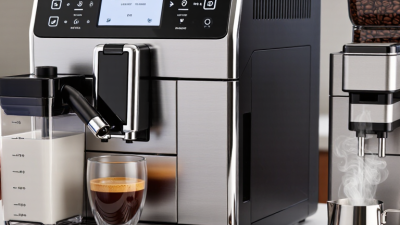
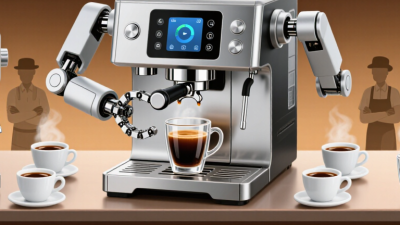
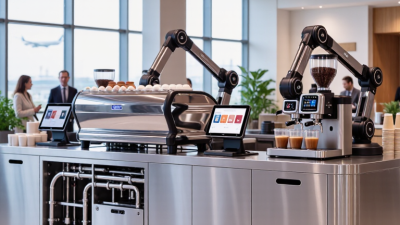
A Coffee Robot is an automated system that prepares coffee by coordinating tasks such as grinding, dosing, brewing, and, in some models, steaming milk. It may look like a polished counter appliance, but inside it relies on pumps, heaters, motors, and software. Some systems also use cameras or sensors to check ingredients and guide repeatable movements. The name can be a little misleading: not every machine marketed as a robot has the same capabilities.
A typical drink begins when someone selects an order on a touchscreen or through a connected ordering system. The machine may grind beans into a portafilter, measure a dose, and compress the grounds before brewing. Hot water then passes through the coffee under controlled pressure and temperature. For a milk drink, a separate unit may heat and texture milk, then pour it into the cup. The steps vary by model, and settings often need adjustment when beans, humidity, or customer preferences change.
Small details matter. A barista might notice that a shot runs too quickly, while a robot’s sensors and programmed limits help keep each cycle consistent. Still, consistency is not the same as great flavor. Poorly chosen beans, stale coffee, or an unclean milk system can undermine the result. Not magic. A Coffee Robot can reduce repetitive work and serve drinks efficiently, but it still needs cleaning, maintenance, and thoughtful setup. Understanding how it works helps café owners and customers judge what automation can—and cannot—deliver.
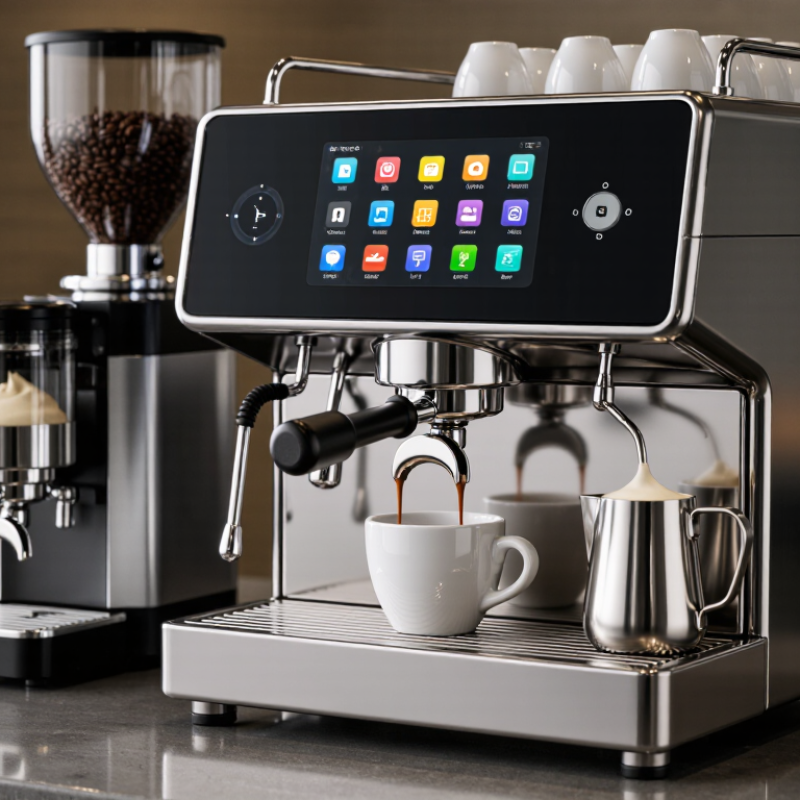
A coffee robot is not simply a coffee machine with a screen. It is a system that automates several connected steps, such as grinding beans, dosing grounds, brewing, and dispensing a drink. Some systems also handle milk, payments, or remote monitoring. The defining feature is coordinated action: sensors, software, and mechanical parts respond to a drink order and repeat a recipe with limited staff intervention.
Look at the counter. A typical automated sequence might move a cup beneath a grinder, compress fresh grounds, and send measured water through the coffee. A sensor can check cup position; software can adjust timing or flag an empty bean hopper. The National Coffee Association’s 2024 National Coffee Data Trends report found that 67% of U.S. adults drank coffee in the past day. That figure signals broad demand, but it does not prove that customers prefer robotic service.
Automation has limits. A robot can repeat programmed steps, yet bean age, humidity, and grinder wear can change extraction. Milk texture and cup placement may also need checking. Small details matter. A useful definition therefore includes both automated preparation and the controls that monitor it—not a promise of perfect coffee. Even a well-designed system may need a person to clean parts, refill ingredients, or correct an inconsistent shot. The handoff can still feel awkward.
| Dimension | What It Means | How It Works in Practice |
|---|---|---|
| Definition | A coffee robot is a system that uses automated equipment and control software to perform some or all steps involved in preparing and serving coffee. | It may automate tasks such as grinding, dosing, brewing, milk preparation, cup handling, or dispensing. The exact level of automation varies by system. |
| Key components | Typical components include a coffee grinder, brewing equipment, pumps, heating elements, sensors, a controller, and a user interface. | The controller coordinates the equipment, while sensors can monitor conditions such as temperature, position, or ingredient availability. |
| Preparation workflow | A common workflow includes receiving an order, preparing coffee, dispensing it into a cup, and presenting the finished drink. | Depending on the design, the machine may grind beans, measure coffee, extract it with hot water, and combine it with other ingredients. |
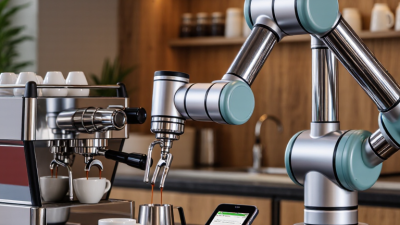
| Robotic motion | Some coffee robots use robotic arms or other automated mechanisms to move cups, pitchers, or tools. | Motion is programmed or controlled by software and may be guided by sensors. Not every automated coffee machine uses a robotic arm. |
| Beverage options | Available drinks depend on the machine’s brewing equipment, ingredients, and software. | A system may make espresso-based drinks, brewed coffee, or other menu items. Milk drinks require suitable milk-handling and frothing equipment. |
| User interaction | Orders may be entered through a touchscreen, buttons, a connected ordering system, or assistance from staff. | The interface communicates available options and can send the selected order to the preparation system. |
| Consistency and control | Automation can repeat configured steps, helping standardize portions and preparation settings. | Results still depend on factors such as ingredient quality, equipment condition, calibration, and the selected recipe. |
| Human involvement | A coffee robot can operate with different levels of human supervision; automation does not necessarily mean fully unattended operation. | People may need to refill ingredients, clean equipment, handle exceptions, maintain the system, or assist customers. |
| Maintenance and safety | Cleaning, inspection, and maintenance are essential because coffee systems use hot water, moving parts, and perishable ingredients. | Operators should follow the equipment’s cleaning and safety procedures, including appropriate handling of hot surfaces and food-contact parts. |
A coffee robot is defined by the coffee-preparation tasks it automates—not by a single machine shape or a requirement to use a robotic arm.


All Rights Reserved. EI Robotica 2023.