China Top 10 Robotic Coffee Barista Suppliers
China’s coffee scene is moving from traditional counters toward automated, data-driven service. The International Federation of Robotics reported nearly 205,000 professional service robots sold globally in 2023, representing approximately 30% annual growth. This expansion creates a practical foundation for Robotic Coffee Barista systems in cafés, hotels, offices, airports, and shopping centers.
China is especially important because its branded coffee market continues to expand rapidly. World Coffee Portal’s Project Café China reports track strong outlet growth and increasing investment in digital ordering, standardized beverages, and unattended or semi-attended formats. Meanwhile, the International Coffee Organization monitors rising coffee consumption and changing preparation habits across emerging markets. These trends suggest that automation is not merely a novelty. It can support consistent extraction, measured dosing, cashless payment, and service during peak periods.
This overview of China’s top 10 Robotic Coffee Barista suppliers focuses on more than attractive machines. It considers deployment experience, beverage consistency, cleaning access, equipment uptime, software integration, certifications, maintenance response, and supplier transparency. A stainless-steel robotic arm may look impressive under café lighting, yet reliability is proven during hundreds of repetitive orders. No ranking is perfect. Public case studies can be limited, and advertised performance may differ from real operating conditions. Buyers should therefore request live demonstrations, maintenance records, safety documentation, and customer references before making a decision. The selected suppliers are presented as practical candidates, not guaranteed winners, for businesses seeking scalable and responsible coffee automation.
What Are Robotic Coffee Baristas and How Do They Work?
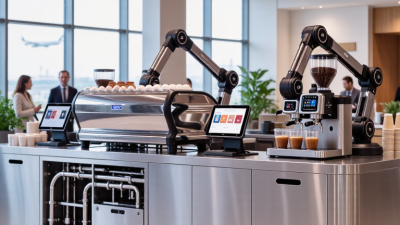
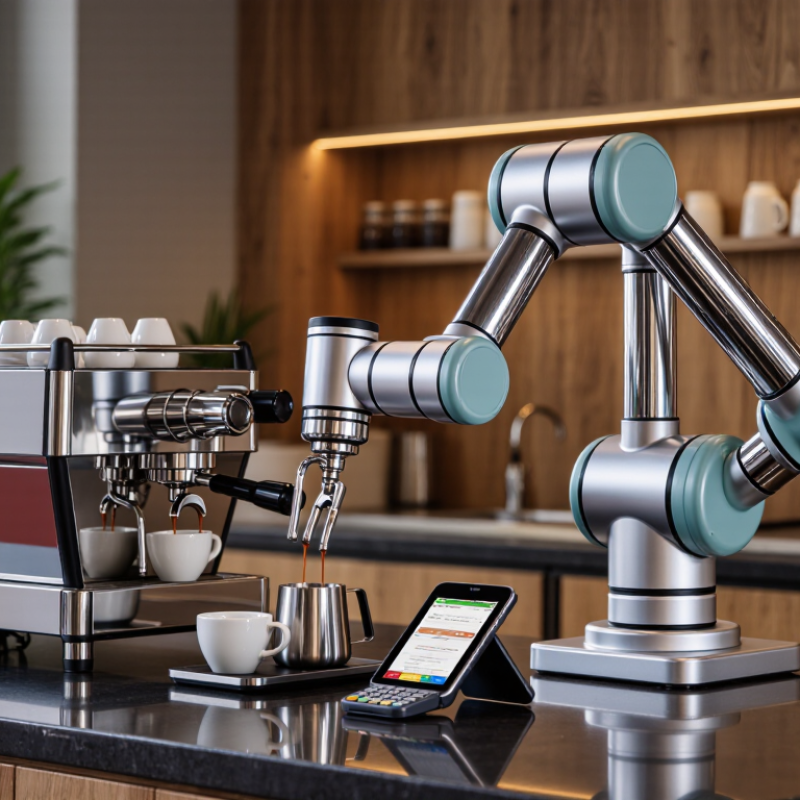
Robotic coffee baristas are automated systems designed to prepare drinks with limited human assistance. They combine robotic arms, coffee equipment, sensors, and software in one compact workstation. A typical unit may grind beans, measure coffee, control water temperature, steam milk, and place a finished cup at a pickup point. The process looks smooth, but it depends on accurate calibration.
A customer usually selects a drink through a touchscreen or mobile interface. The system checks the order, moves a cup into position, and doses measured ingredients. Sensors monitor cup placement, liquid levels, temperature, and equipment status. The robotic arm follows programmed movements, while the control system adjusts timing when conditions change. For example, different beans may require changes in grinding or extraction settings. Cleaning cycles and waste monitoring are also important parts of daily operation.
In practice, these machines offer repeatable preparation and useful data for busy locations. They can record order times, ingredient use, and maintenance alerts. However, automation does not guarantee perfect coffee. Milk texture can vary, sensors can misread a cup, and software may need updates. Staff still need to refill supplies, inspect surfaces, and respond to faults. A reliable supplier should explain cleaning procedures, safety controls, training, spare parts, and service response times. The strongest evaluation comes from observing a live demonstration, tasting several drinks, and reviewing performance after continuous operation.
Key Criteria for Evaluating Chinese Robotic Coffee Barista Suppliers
China Top 10 Robotic Coffee Barista Suppliers
Key Criteria for Evaluating Chinese Robotic Coffee Barista Suppliers
Evaluating Chinese robotic coffee barista suppliers requires more than comparing catalog prices. Check drink consistency, machine uptime, cleaning access, and service response times. Ask for production records from comparable installations, not only laboratory demonstrations. A reliable supplier should explain brewing temperature, milk control, grinding accuracy, and daily output in clear technical terms.
Visit a working site when possible. Watch the robot prepare drinks during a busy period, with real customers waiting nearby. Inspect cup positioning, spill handling, emergency stops, and noise levels. Request evidence of electrical safety testing, food-contact material compliance, and software security practices. A strong supplier also provides installation drawings, operator training, spare-parts planning, and remote diagnostics. Service coverage matters.
Test the numbers carefully.
A quoted capacity may assume ideal conditions, skilled staff, and no cleaning delays. That assumption can mislead buyers. Require a trial using your preferred beans, cups, recipes, and payment process. Measure preparation time over several hours. Review warranty terms, upgrade costs, and technician availability in your region. Language support may seem minor, yet unclear instructions can delay repairs. No checklist is perfect. Human judgment still matters, especially when the supplier avoids difficult questions or cannot explain failed tests.
Key Criteria for Evaluating Chinese Robotic Coffee Barista Suppliers
Recommended evaluation weights for comparing suppliers of robotic coffee barista systems. The percentages represent procurement priorities rather than company-specific performance data.
Product quality and reliability receive the highest weight because robotic beverage equipment must deliver consistent output and stable operation. Food safety compliance, after-sales service, customization capability, total cost of ownership, and delivery capacity should also be reviewed before supplier selection.
Profiles of China’s Top 10 Robotic Coffee Barista Suppliers
China Top 10 Robotic Coffee Barista Suppliers
Profiles of China’s Top 10 Robotic Coffee Barista Suppliers
China’s leading robotic coffee barista suppliers differ in more than arm design. Their profiles reveal practical strengths: automated espresso systems, compact kiosks, vision sensors, payment integration, remote maintenance, and customized beverage software. Some suppliers focus on shopping malls. Others serve airports, offices, hotels, or universities. The International Federation of Robotics reported 276,288 industrial robot installations in China during 2023. That industrial foundation supports faster development in service robotics, although coffee automation has different safety and reliability demands.
The Allegra Group’s Project Café East Asia 2024 reported nearly 50,000 branded coffee outlets in China. This expansion creates demand for consistent drinks and shorter queues. Among the top ten supplier profiles, several emphasize high-volume dispensing. Others prioritize small footprints, movable stations, or human-assisted operation. Strong suppliers publish cleaning procedures, recovery times, temperature ranges, and training records. These details matter beside attractive demonstrations. A machine may produce a perfect latte once. Daily performance is harder. Supplier comparisons should also examine local spare-part availability, software updates, and technician response times.
Tips: Request a live test during a busy service period. Check milk cooling, cup placement, payment failure recovery, and cleaning steps. Ask for independently verified uptime data. Marketing claims are not operational evidence. Buyers should remember that robotic accuracy can reduce variation, but it cannot replace thoughtful menu design or staff oversight. That limitation deserves more attention.
How to Select the Right Chinese Robotic Coffee Barista Supplier
Selecting the right Chinese robotic coffee barista supplier requires more than comparing machine prices. Start by checking the supplier’s manufacturing experience, engineering team, and export history. Ask for factory videos, production records, and recent installation references. A serious supplier should explain brewing temperature, milk handling, cleaning cycles, and daily capacity in clear technical language.
Test the machine with your own coffee beans. Observe the grinder, extraction time, cup temperature, and recovery speed during busy periods. Small details matter. Request safety certificates, electrical compliance documents, and software security information for your target market. Confirm whether remote monitoring, recipe adjustments, and user permissions are available. A polished demonstration can hide practical weaknesses.
Service support often decides long-term value. Check spare-part availability, response times, technician training, and warranty limits. Ask who pays for shipping when a critical component fails. Get every promise in writing, including installation, staff training, maintenance visits, and software updates. A pilot order is safer than a large first purchase. I have seen attractive quotations become expensive after shipping, customization, and site preparation. That risk deserves careful calculation. No supplier is perfect, and early testing may reveal weak points that sales materials never mention.