What is a Smart Home Panel and How Does It Work?
The concept of a Smart Home Panel is rapidly gaining traction as more households embrace automation. According to a recent report by Statista, the global smart home market is projected to reach $174 billion by 2025. A Smart Home Panel serves as the central command hub, simplifying the management of various connected devices. These panels integrate lighting, security, and climate control systems into a single interface.
However, not all panels are created equal. While many boast user-friendly features, some users report difficulties in setup and compatibility with existing devices. Research shows that around 29% of smart home users experience issues with connectivity. Despite these challenges, the appeal of enhanced security and energy efficiency continues to drive demand for Smart Home Panels.
In a world where technology evolves rapidly, consumers seek reliable solutions. A trustworthy Smart Home Panel can make daily life more convenient. Yet, it’s essential for users to remain vigilant. They should scrutinize reviews and product specs before making a purchase. Understanding these tools can lead to smarter choices and better home environments.
Definition and Purpose of a Smart Home Panel
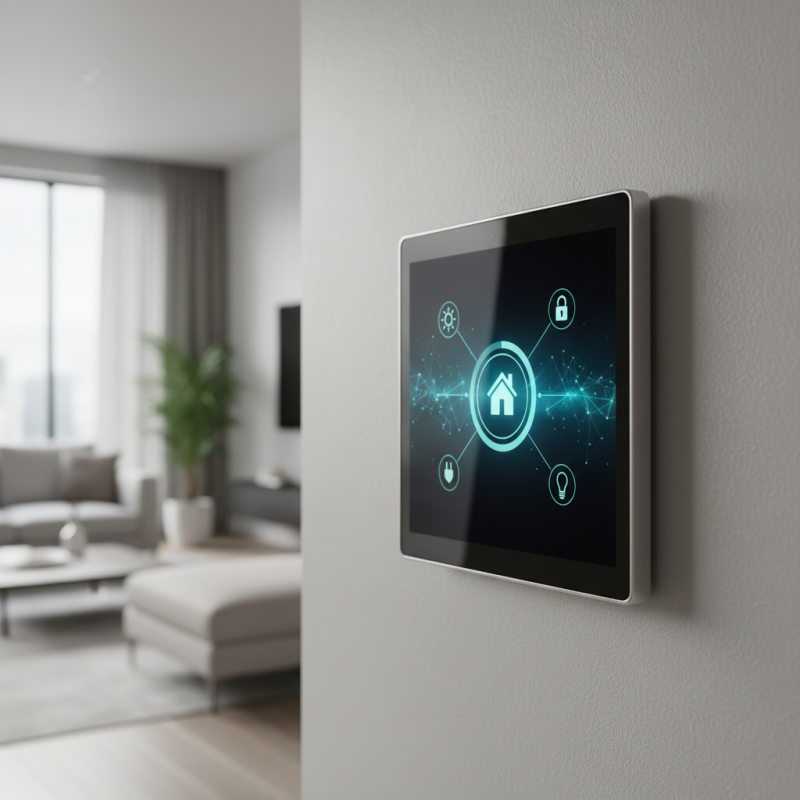
A smart home panel serves as a central hub. It connects various smart devices in your home. With just a touch or voice command, you can control lights, security systems, and thermostats. This integration enhances convenience and energy efficiency. The panel typically has a user-friendly interface that simplifies home management.
Tips: Consider the layout of your home. Place the smart panel in a central location. This makes it easier to access from any room. Regularly update the panel’s software for security. New updates can improve performance.
As technology evolves, smart home panels adapt too. Yet, it’s crucial to choose a panel that fits your needs. Not every home requires the same features. Reflect on your daily routines. Do you prioritize security or comfort? Understanding your preferences helps in selecting the right panel. Make smart decisions to enhance your home.
Key Features of Smart Home Panels
Smart home panels serve as central hubs for managing various smart devices. They allow users to control lights, thermostats, and security systems from one interface. This simplifies home automation, making it user-friendly and efficient.
Key features of smart home panels include touchscreen displays, voice control, and customizable interfaces. A responsive touchscreen makes navigation effortless. Users can easily adjust settings or view camera feeds. Voice commands add convenience, allowing hands-free operation. Customizable interfaces let users prioritize their favorite functions.
Here are some tips for maximizing your smart home panel's potential. Ensure your panel is updated regularly for optimal performance. Explore different apps that integrate with your device. However, be cautious of potential compatibility issues. Not all devices work seamlessly together. Take time to reflect on which features you truly need versus those that may complicate usage. Overloading your panel with unnecessary options can lead to confusion.
Consider the layout of your smart home panel. Place it in an accessible location, ideally in a high-traffic area. This helps everyone in the household interact with it easily. With the right setup and features, a smart home panel can significantly enhance your daily life.
Smart Home Panel Features and User Satisfaction
How Smart Home Panels Integrate with Other Devices
Smart home panels are central hubs in modern smart homes, designed to streamline communication between various devices. These panels often manage lighting, heating, security, and entertainment systems. They serve as a user-friendly interface for controlling everything from smart bulbs to thermostats. This integration simplifies daily tasks and enhances home automation.
Interconnectivity is key for smart home panels. They typically use protocols like Wi-Fi, Zigbee, or Z-Wave to communicate with different devices. However, not all devices are compatible, leading to occasional frustration. Users may find that some products do not connect seamlessly or require additional setups. Familiarizing oneself with device specifications can alleviate these headaches.
Moreover, reliance on a single panel may seem convenient, yet it can be limiting. If a panel malfunctions, users may lose access to multiple systems. Regular updates and maintenance can mitigate these risks. Education on both the capabilities and limitations of these panels is crucial for an optimal smart home experience. Understanding how these devices work together fosters a more effective, integrated living environment.
What is a Smart Home Panel and How Does It Work?
| Device Type | Function | Integration Method | Communication Protocols | User Interface |
| Smart Light Bulb | Remote control lighting | Wi-Fi, Zigbee | Zigbee, Wi-Fi | Mobile App, Voice Command |
| Smart Thermostat | Temperature control | Wi-Fi | Wi-Fi, Bluetooth | Touchscreen, Mobile App |
| Smart Security Camera | Home surveillance | Wi-Fi | Wi-Fi | Mobile App, Web Interface |
| Smart Door Lock | Keyless entry | Zigbee, Z-Wave | Zigbee, Z-Wave | Mobile App, Keypad |
| Smart Speaker | Voice control and music playback | Wi-Fi, Bluetooth | Wi-Fi, Bluetooth | Voice Command, Mobile App |
Operational Mechanics of a Smart Home Panel
A smart home panel acts as the nerve center for various home automation systems. It allows users to control lighting, heating, and security from one interface. According to a report by Market Research Future, the smart home market is expected to grow at a CAGR of 26% from 2022 to 2028. This growth indicates an increasing reliance on centralized control systems for enhanced convenience and energy efficiency.
Operational mechanics of a smart home panel revolve around various communication protocols. These include Wi-Fi, Zigbee, and Z-Wave. Each protocol has its advantages and disadvantages. Wi-Fi, for example, is widely used and easy to set up but may suffer from bandwidth hogging. In contrast, Zigbee and Z-Wave provide better range and lower power consumption but also require dedicated connections. Homeowners may find themselves overwhelmed by the complexity of choosing the right system. According to a 2023 report, about 68% of users encountered difficulties in integrating devices.
User interfaces on smart home panels must be intuitive to accommodate all tech-savviness levels. Despite advances, many panels feature cluttered menus that complicate navigation. A study indicated that 45% of users reported frustration with such interfaces. It emphasizes the need for design improvements that prioritize user experience while maintaining functionality.
Benefits of Using a Smart Home Panel in Everyday Life
A smart home panel acts as a central hub for controlling various smart devices. It simplifies managing everything from lights to thermostats. By consolidating multiple controls into one interface, it saves time and energy. Users can create routines and schedules to fit their lifestyle needs. This convenience can greatly enhance daily life.
Integrating a smart home panel can lead to significant energy savings. Automated systems adjust power usage based on real-time data. This functionality fosters proactive energy management. However, the initial setup might pose challenges for those unfamiliar with technology. Learning to navigate the interface takes patience and practice.
The safety benefits are also noteworthy. A smart home panel can alert homeowners to potential issues, like security breaches or smoke detection. These proactive features can provide peace of mind. Yet, reliance on technology raises concerns about privacy and data security. Users need to stay informed about best practices to safeguard their information in a connected world.