How to Choose the Best Smart Ai Glasses for Your Needs?
Choosing the best Smart Ai Glasses can be overwhelming. The market is filled with various brands and features. It’s crucial to find a pair that aligns with your lifestyle and needs. These devices are not just about style; they also enhance functionality in ways many users underestimate.
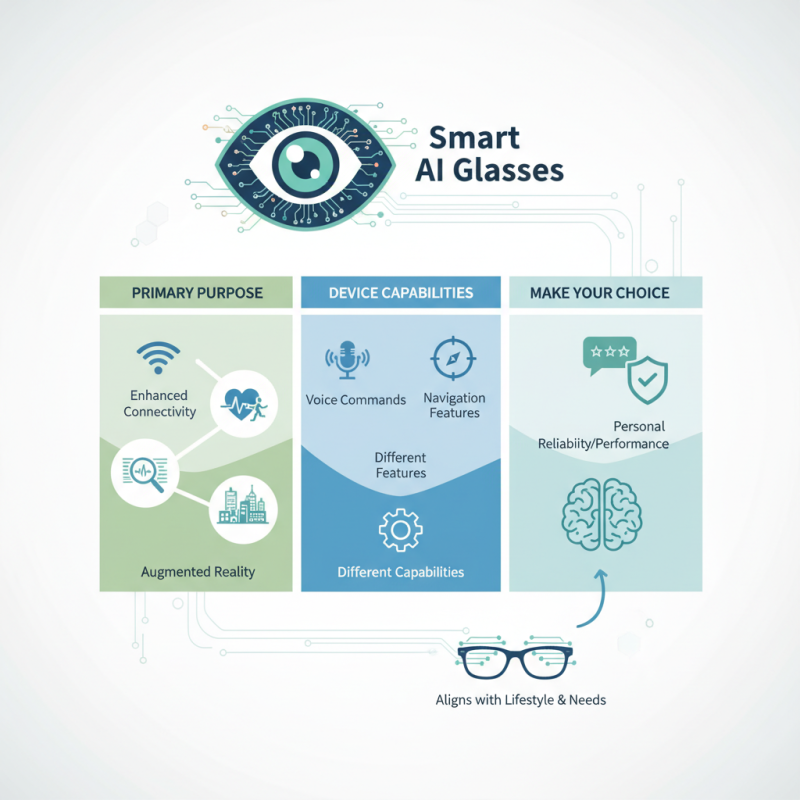
Consider the primary purpose of Smart Ai Glasses in your daily life. Are you looking for enhanced connectivity, health tracking, or augmented reality experiences? Each model offers different capabilities, including voice commands and navigation features. Think about what functions are most important to you.
While many brands boast impressive specs, personal reviews can be invaluable. Look for feedback on usability and reliability. Some glasses may look sleek but may not deliver the performance you expect. Reflect on your choices and make sure to prioritize features that truly enhance your personal or professional life.
Understanding Smart AI Glasses: Features and Functionality Overview
Smart AI glasses are transforming how we interact with technology. These innovative devices combine augmented reality (AR) with wearable tech to deliver unique experiences. A recent report by the International Data Corporation noted a 45% growth in the smart glasses market in 2023, showcasing rising consumer interest. Key features often include voice recognition, real-time translation, and health monitoring capabilities. These functions cater to various needs, from hands-free navigation to fitness tracking.
When considering smart glasses, evaluate essential functionalities. Look for high-resolution displays that enhance your viewing experience. Battery life can be a crucial factor, with most devices lasting only a few hours. Data indicates that over 30% of users prioritize battery performance. This highlights the need for reliable power solutions in your selection.
Tip: Determine your primary use case before purchasing. For casual and entertainment use, focus on comfort and design. If you need specific applications like navigation, prioritize features such as GPS integration. Being aware of your needs can help you choose wisely, avoiding dissatisfaction later.
Key Specifications to Evaluate: Display, Battery Life, and Connectivity
When selecting smart AI glasses, focus on three key specifications: display, battery life, and connectivity. The display should deliver sharp visuals. Look for options that offer high resolution and brightness for outdoor use. This ensures a clear view of apps, notifications, and other content, reducing eye strain during extended wear.
Battery life is vital. Many models may claim impressive endurance but deliver disappointing performance in real-world usage. Aim for glasses that last throughout the day on a single charge. A removable battery option can offer flexibility, allowing for backup during longer outings.
Connectivity is another critical aspect. Ensure the glasses support both Bluetooth and Wi-Fi connections. This enables seamless pairing with smartphones and other devices. Consider how often you’ll use various features, like voice commands or streaming media. Does the connectivity feel instant and reliable?
Tips: Think about your daily routine. Will you use them mainly indoors or outdoors? Reflect on your actual usage patterns. Decide which feature matters most for your lifestyle. When all is said and done, it’s essential to choose wisely. Your experience will depend on these factors, so weigh them carefully.
How to Choose the Best Smart Ai Glasses for Your Needs?
| Model | Display | Battery Life | Connectivity |
| Model A | 1080p HD Display | 6 hours | Bluetooth 5.0, Wi-Fi |
| Model B | 720p Display | 8 hours | Bluetooth 4.2, NFC |
| Model C | 4K Ultra HD Display | 5 hours | Bluetooth 5.1, Wi-Fi 6 |
| Model D | QHD Display | 10 hours | Bluetooth 5.0, Zigbee |
Assessing Compatibility: iOS and Android Integration for Seamless Use
When choosing smart AI glasses, consider how well they integrate with your device. Compatibility is crucial for a smooth experience. Each system has unique features, which can affect functionality. iOS users often enjoy a user-friendly interface. In contrast, Android provides more customization options. Knowing how these platforms interact will inform your choice.
Tips: Check software updates regularly. Keeping your device and glasses updated ensures optimal performance. Connection issues can arise if you neglect this.
Battery life is another important consideration. Some glasses may drain quickly depending on the operating system. You might need to recharge frequently, which can be inconvenient. Look for models that provide long-lasting performance. Carefully read reviews to gauge real-world usage.
Tips: Test the glasses before purchasing, if possible. User feedback often reflects true user experience. Don’t rely solely on specs. Not everyone has the same needs when it comes to performance.
Real-World Use Cases: Practical Applications in Daily Life
Smart AI glasses have practical applications in daily life. They can enhance experiences in various ways. For instance, they can provide navigation assistance while walking or driving. Imagine receiving real-time directions directly in your field of vision. This feature can improve safety and efficiency.
In the workplace, these glasses can empower productivity. They allow hands-free access to information. During presentations, users can check notes without losing eye contact. This capability can reduce distractions and enhance communication with colleagues. However, it is essential to ensure these tools are user-friendly. Complexity can lead to frustration.
Tips for selecting smart glasses include considering battery life, weight, and compatibility with other devices. Lightweight options are often more comfortable for prolonged use. Also, check reviews to learn about user experiences. Real-world feedback can identify potential issues and improve your choice. Always prioritize your individual needs.
Budget Considerations: Price Ranges and Value for Money in Smart Glasses
When considering smart AI glasses, budget plays a crucial role. Prices vary widely based on features. Some may cost under $200, while premium models approach $1,000. You need to assess what features you truly require. Do you need advanced augmented reality? Or are basic functionalities sufficient for your daily use?
A lower price doesn't always mean poor quality. In many cases, you can find models that deliver solid performance without breaking the bank. Think about how you plan to use the glasses. If you need them for casual use, opt for affordable choices. For heavy usage, consider investing more. Remember, value for money is about functionality versus cost.
Buying smart glasses isn’t just about price. Research reviews and user feedback; these can provide insights into performance. Certain models might appear attractive but could lack reliability or support. Finding a balance between cost and quality requires careful consideration. Reflect on your needs and budget before making a decision.