How to Choose the Best Robot Coffee Barista for Your Business?
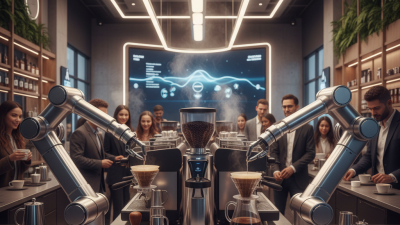
In the rapidly evolving landscape of the coffee industry, integrating technology can enhance customer experience and streamline operations. The introduction of the Robot Coffee Barista presents a unique opportunity for businesses to modernize their offerings. This innovation not only prepares coffee but also serves as an engaging point of interaction for customers. Selecting the right Robot Coffee Barista, however, requires careful consideration.
Many businesses overlook critical factors when choosing a Robot Coffee Barista. It's not just about the machine’s features. A machine that lacks user-friendly operation can lead to confusion. Baristas may feel replaced or lose their personal touch. Additionally, reliability and consistent coffee quality are crucial. Customers expect perfection in every cup. A less reliable robot will disappoint, affecting customer loyalty.
Choosing a Robot Coffee Barista is a journey. It involves balancing technology with the warmth of human interaction. While robots can enhance efficiency, businesses must find a way to keep the human touch alive. The right choice will elevate your brand and create a memorable experience for customers.
Understanding Your Business Needs for a Coffee Barista Robot
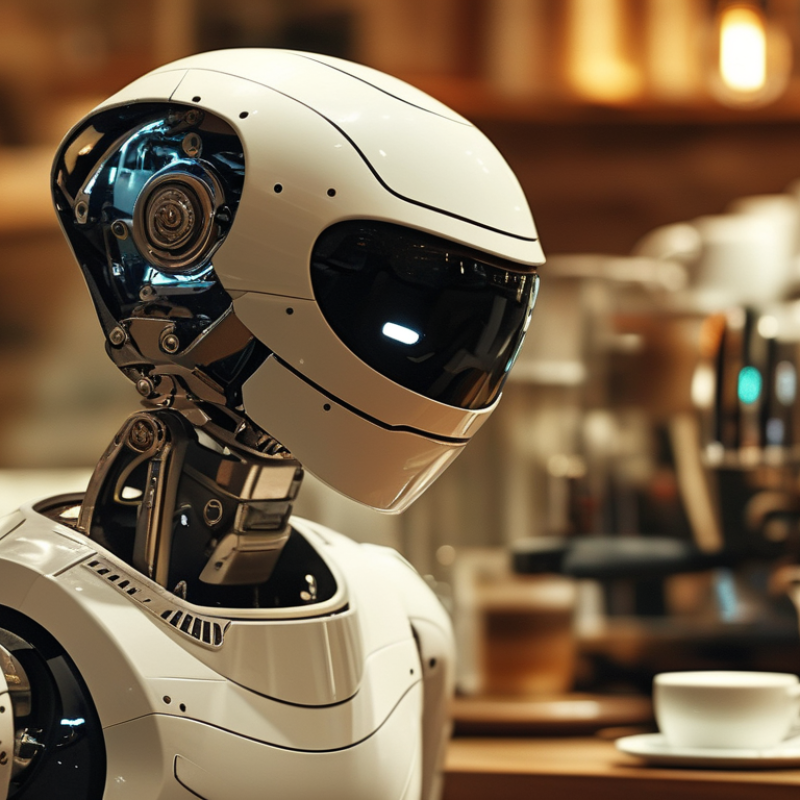
Understanding your business needs for a coffee barista robot is essential. Start by evaluating your customer volume. Reports indicate that cafés serving over 200 customers daily benefit most from automation. A robot barista can handle high demand efficiently, ensuring consistency in every cup.
Next, consider the types of beverages you offer. A robot designed for specialty drinks may not perform well in an environment focused on brewed coffee. Research shows that 70% of consumers prefer personalized options, which might be challenging for some robotic systems. Choose a robot that can adapt to your menu demands, even if it requires additional programming.
Finally, think about the initial investment versus long-term savings. According to industry analysis, businesses can recoup their investment in a robot within two years through labor savings. However, technological limitations mean not every business will achieve this. Ensure that you have the right infrastructure to support this transition, or you might face operational challenges. Balancing innovation with practicality is key to making a wise choice.
Key Features to Look for in Coffee Robot Technology
When selecting a robot coffee barista for your business, it's essential to understand the technology's key features. Automation in the coffee industry is predicted to grow by 20% annually, emphasizing the need for cutting-edge machines that can keep pace with consumer demands. One critical aspect is precision brewing. Many models utilize algorithms to replicate the ideal extraction process, ensuring consistent taste.
Another vital feature is user-friendliness. A touchscreen interface can provide real-time updates on beverage preparation. Systems that integrate with smartphone apps allow for easy ordering and customization, appealing to tech-savvy customers. Studies show that 67% of consumers prefer businesses that embrace technology for efficiency and convenience.
While automation brings many benefits, there are challenges. Maintenance of robotic systems can be complex and costly. Regular updates are necessary to keep the equipment functioning optimally. Cloud connectivity is another feature to watch. It enables software updates and troubleshooting remotely, reducing downtime.
Training staff to interact with these machines is also crucial. They should understand both the technology and customer service aspects of their roles. Continuous learning helps teams adapt as technology evolves. Recognizing that robots are tools, not replacements, will allow businesses to thrive in this shifting landscape.
Comparing Popular Robot Coffee Barista Models on the Market
When considering a robot coffee barista, it’s vital to evaluate different models on the market. Many options feature various brewing techniques and speed capabilities. Some machines excel at espresso, while others can whip up fancy lattes. Observing these differences can significantly influence your choice, depending on your business’s specific needs.
Take note of the level of customization each robot offers. Some models allow full control over coffee strength and milk frothing. During a busy morning rush, speed becomes essential. Certain robots can deliver a cup in under a minute, while others might lag. It’s crucial to balance speed with quality, ensuring that customers consistently enjoy good drinks.
Reliability should not be overlooked. A robot that breaks down frequently can lead to lost sales. Investigating customer reviews can provide insight into how well machines perform over time. Still, not every model works flawlessly from day one. Consider potential maintenance needs and how that fits your operations. Reflecting on these aspects ensures a thoughtful selection for your business.
Comparison of Robot Coffee Barista Models
Evaluating the Cost-Effectiveness of Robot Baristas for Your Business
When evaluating the cost-effectiveness of robot baristas for your business, consider initial investment and ongoing expenses. Robot coffee machines can be expensive upfront. The price often includes setup and training costs. However, over time, these machines may reduce labor costs. Imagine saving on wages while still delivering high-quality coffee.
Maintenance is another aspect to ponder. While robots require less supervision, they still need regular upkeep. Budgeting for repairs and software updates is essential. An unexpected breakdown could impact service quality and customer satisfaction. Assess the reliability of your chosen technology.
Training staff to work alongside robot baristas is critical. Employees need to adapt to the new setup. This could lead to initial confusion. Ensuring smooth collaboration between humans and robots will be a key factor. Your employees' comfort level with technology can either enhance or hinder overall efficiency. Balancing automation and human touch is vital in the coffee business.
Integrating Robot Baristas into Your Existing Coffee Shop Workflow
Integrating a robot barista into your coffee shop workflow can enhance efficiency and customer experience. Begin by evaluating your current setup. Will the robot fit seamlessly alongside your staff? Consider its placement. A central position can allow better interaction with customers, while still ensuring your human baristas can help when needed.
Training your team to work with the robot is essential. Staff should understand how to collaborate with the technology. Communication is key here. Establish a plan for troubleshooting to handle any issues that arise. This way, the integration process feels smooth and less intimidating.
Tips: Start with fewer menu items. This allows easier monitoring of the robot’s performance. Gradually expand the offerings as your team gets comfortable. Regular feedback from both staff and customers will inform necessary adjustments. Don't overlook the importance of ongoing maintenance for the robot. A reliable machine is crucial for maintaining quality and service speed.