Choosing the best Smart Glucose Meter in 2026 requires more than comparing app colors or Bluetooth features. A useful meter should produce dependable readings, explain trends clearly, and fit naturally into daily life. It may sit beside a breakfast plate, connect to a phone, and record results before a busy commute. Yet convenience cannot replace accuracy or thoughtful medical guidance.
Dr. David C. Klonoff, a leading diabetes technology specialist and founder of the Diabetes Technology Society, has emphasized, “Technology should support better decisions, not replace clinical judgment.” That principle shapes this guide. We examine measurement consistency, app reliability, data sharing, strip costs, accessibility, and practical design. We also consider whether a device works well for older adults, insulin users, and people who dislike complicated setup. Small details matter. A confusing alert can be ignored. A delayed sync can distort a treatment discussion.
No meter is perfect. Our evaluation cannot predict every person’s experience, especially across different phones, skin conditions, testing habits, and healthcare routines. Some devices look advanced but offer little value beyond basic logging. Others seem ordinary yet provide dependable results and easier follow-up. This review therefore balances published specifications with real-world usability and clinical context. Readers should confirm product status, instructions, and suitability with qualified healthcare professionals. The “best” Smart Glucose Meter may not be the most expensive model. It may be the one a person uses correctly, consistently, and without frustration.
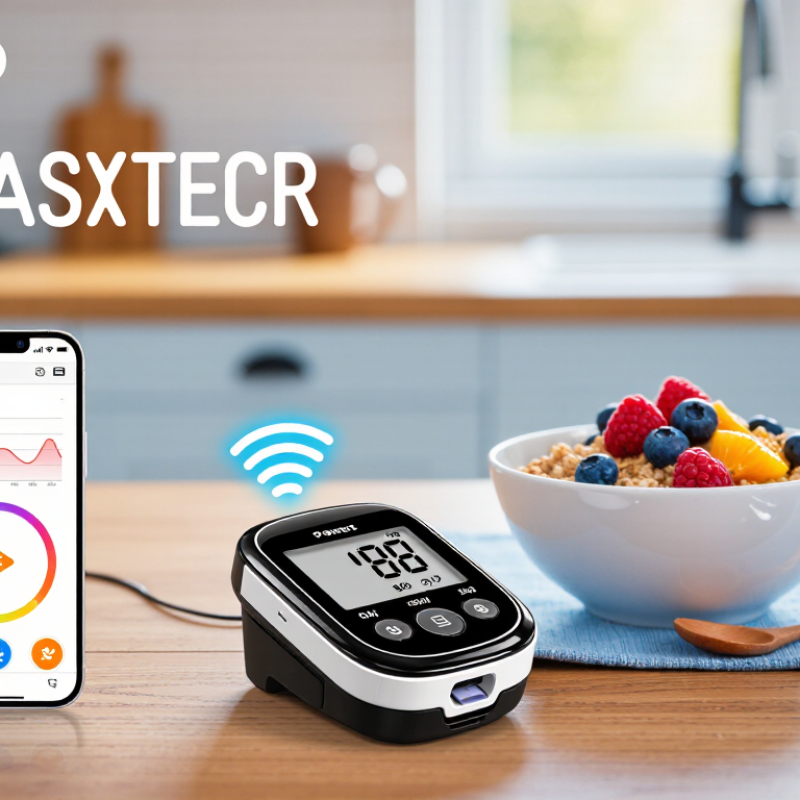
In 2026, a smart glucose meter is more than a screen showing one number. It connects with a phone, records readings automatically, and reveals patterns across meals, sleep, exercise, and medication schedules. The best systems explain context instead of filling the screen with colorful charts. A morning reading of 142 mg/dL means something different after fasting than after toast and a brisk walk. That distinction matters. A useful alert is timely.
Reliable data begins with accurate measurement and clear timestamps. The meter should show whether a result was entered manually, transferred automatically, or corrected later. Bluetooth syncing, readable trend graphs, and simple reports can help healthcare professionals review several weeks quickly. Privacy also deserves attention. Users should understand where their data goes, who can access it, and whether sharing is optional. Small details matter.
Smart features should never hide basic usability. Test strips need clear handling instructions, the display should remain readable in dim light, and the device should still work when a phone battery dies. Look for independently published accuracy information and compliance with medical-device requirements in your region. A meter may offer impressive predictions, yet those predictions can mislead when readings are missing or entered incorrectly. I still question systems that turn every fluctuation into an urgent warning. People need useful guidance, not constant anxiety, especially when one unusual result may reflect dirty hands, expired strips, or an ordinary testing mistake.

When choosing the best smart glucose meter in 2026, accuracy should lead the comparison. Look beyond marketing numbers. Check independent validation, measurement standards, and the meter’s reported error range. Accuracy comes first. A practical check involves comparing repeated readings with a laboratory result arranged through a healthcare professional. Home measurements can vary because of unwashed hands, expired strips, temperature, or insufficient blood. These small details matter.
Connectivity should make information clearer, not more stressful. Bluetooth can transfer readings to a phone, while a companion app may show patterns, averages, and time-based changes. Check whether the app works with your device and exports readable reports. Review permission settings carefully. A connected meter is less useful if pairing fails or data disappears after an update. Cloud features also deserve scrutiny, especially when health information is stored remotely.
Ease of use often decides whether testing becomes consistent. Look for a bright display, simple buttons, clear strip insertion, and a lancet setting that feels manageable. The meter should require a small blood sample and provide a result quickly. Keep it simple. Test the screen in dim light and handle the case with one hand. Some users may prefer automatic logging, while others want fewer notifications. I would not choose based on the app alone; a polished interface cannot correct unreliable readings or an uncomfortable daily routine.
Use clinically relevant glucose thresholds when assessing meter accuracy. For most nonpregnant adults with diabetes, common reference points include a low-glucose threshold below 70 mg/dL, a premeal target upper limit of 130 mg/dL, and a postmeal target upper limit of 180 mg/dL.
When comparing smart meters, check whether results are clearly displayed in the correct unit, transferred reliably through Bluetooth or another connection, synchronized with a dependable app, and easy to record, review, and share. Reference values: American Diabetes Association Standards of Care in Diabetes—2026.
The best smart glucose meter in 2026 depends on the user, not the most impressive feature list. A newly diagnosed person may need a simple screen, large numbers, and clear trend arrows. Fewer decisions can reduce anxiety. A person using insulin may value rapid readings, meal notes, and high or low alerts. Bluetooth syncing also helps reveal patterns during clinic visits.
Active users often need a compact meter, a dependable app, and reliable results after exercise. Battery life matters when traveling. So does offline storage. Parents or caregivers may prefer secure data sharing and notifications for unusual readings. Older adults might benefit from tactile buttons, bright displays, and audio guidance. Small screens can become frustrating.
Accuracy remains central. Look for published performance data, transparent testing methods, and approval from the relevant authority in your country. Check the ongoing cost of strips, lancets, and sensors, not only the device price. Privacy settings deserve attention too. Some apps collect more data than users expect.
Smart does not always mean better. I have seen how extra graphs can confuse people instead of helping them act. App connections may fail. Alerts can be missed during sleep. A meter should support a care plan, not replace professional advice. Discuss unusual readings, repeated errors, or medication decisions with a qualified clinician. The right choice is the one a person can use correctly, consistently, and without added stress.
| User Type | Best Capability Profile | Accuracy and Testing | Smart Features That Matter | Data and Connectivity | Practical Priorities | Main Trade-Off |
|---|---|---|---|---|---|---|
| Newly Diagnosed User | Simple, guided blood glucose meter with clear instructions and minimal setup. | Look for published performance against the current applicable accuracy standard, including results near the low-glucose range. | Color-coded readings, meal markers, testing reminders, and an easy-to-read display. | Bluetooth syncing is useful, but the meter should still work without a phone. | Small blood sample, straightforward strip insertion, accessible lancing device, and affordable supplies. | Advanced analytics may add complexity before the user has established a testing routine. |
| Type 1 Diabetes User | Fast, highly consistent testing system that supports frequent measurements and pattern review. | Strong laboratory-validated accuracy, quick results, and reliable performance across repeated tests. | High and low alerts, insulin or medication notes, meal tagging, trend graphs, and customizable reminders. | Automatic Bluetooth transfer, secure cloud backup, downloadable reports, and compatibility with commonly used health platforms. | Easy-to-carry supplies, long battery life, sufficient memory, and dependable strip availability. | Connected features cannot replace clinical decisions or continuous monitoring when continuous monitoring is prescribed. |
| Type 2 Diabetes User Using Medication | Reliable meter focused on routine testing, medication timing, and longer-term trends. | Consistent results with clear instructions for alternate-site testing limitations and proper hand washing. | Medication reminders, averages by meal period, target-range summaries, and shareable reports. | Optional phone synchronization with a manual-entry fallback for users who do not carry a smartphone. | Low operating cost, simple strip handling, large display, and easy record retrieval. | Some analytics require regular and correctly timed testing to be meaningful. |
| Older Adult or Low-Vision User | Accessible design with large controls and strong visual and auditory feedback. | Clear error messages, stable strip insertion, and a lancing system that is easy to load and adjust. | Large readings, high-contrast screen, spoken guidance or audio results, and optional caregiver sharing. | Simple wireless syncing is helpful; direct meter use should remain possible if pairing fails. | Large text, tactile buttons, easy-to-open packaging, illuminated test area, and a memory log. | Very small devices may be portable but harder to read or operate. |
| Busy Professional or Frequent Traveler | Compact, durable meter with rapid testing and dependable data synchronization. | Fast result time, stable performance at the stated operating temperature and humidity range, and clear out-of-range warnings. | Automatic time and date, meal tagging, missed-test reminders, and searchable history. | Bluetooth, offline storage, automatic time-zone handling, and exportable reports are particularly valuable. | Small travel case, secure strip storage, long battery life, and easy access to replacement supplies. | Smaller systems can have tighter strip storage and may be less convenient for users with limited dexterity. |
| Data-Focused Self-Manager | Connected meter with detailed trend analysis rather than only individual readings. | Look for transparent accuracy data, quality-control guidance, and a clear way to flag unusual readings. | Time-in-range summaries, pre- and post-meal comparisons, notes for exercise and illness, and customizable reports. | Reliable synchronization, CSV or PDF export, account access controls, and a clear data-retention policy. | Consistent timestamps, duplicate-reading prevention, searchable notes, and compatibility with the user’s existing health records. | More data does not automatically mean better insight; inconsistent testing times can distort trends. |
| Caregiver or Family-Supported User | Meter that allows readings to be shared without making daily testing difficult for the user. | Repeatable results, clear error handling, and the ability to record control-solution checks. | Low and high alerts, remote sharing permissions, adherence reminders, and event notes. | Cloud synchronization, multi-user access, notification controls, and secure account recovery. | Privacy settings, consent management, simple pairing, and a backup method when internet access is unavailable. | Remote sharing depends on phone, account, and internet availability and should not be treated as emergency monitoring. |
| Pregnant User or Gestational Diabetes Management | Accurate, easy-to-use meter designed for frequent, time-specific checks. | Performance near the user’s clinically selected targets is important; follow the care team’s testing schedule. | Precise meal and fasting tags, scheduled reminders, readable logs, and printable or shareable reports. | Automatic timestamps and reliable export help clinicians review fasting and post-meal patterns. | Low pain, small sample volume, consistent strip handling, and a clear record of test timing. | Target ranges vary by clinical situation, so generic app thresholds should not override professional advice. |
| Cost-Conscious User | Accurate basic meter with optional connectivity rather than a feature-heavy subscription system. | Compare independently published accuracy information and the cost of strips, lancets, and replacement supplies. | Memory storage, basic averages, date and time tracking, and optional manual logging may be sufficient. | USB or manual export can be adequate when wireless syncing requires a paid service. | Total ongoing cost, insurance or reimbursement eligibility, widely available strips, and a standard battery. | The lowest purchase price may not be the lowest total cost if consumables are expensive. |
| Athlete or Exercise-Focused User | Portable meter that supports notes for exercise, meals, hydration, and unusual conditions. | Reliable readings after hand washing and drying, with clear guidance for testing after physical activity. | Exercise tags, event notes, trend charts, and reminders based on the user’s routine. | Fast Bluetooth transfer and exportable data make it easier to compare readings with training logs. | Small case, secure strip storage, resistance to ordinary travel conditions, and rapid operation. | Sweat, dirt, dehydration, and recent food residue can affect testing technique and may produce misleading results. |
| Selection note: A smart glucose meter should be judged by measurement quality, strip availability, total running cost, accessibility, privacy controls, and whether its connected features support—not replace—advice from a qualified healthcare professional. | ||||||
A smart glucose meter should share useful data without turning your health history into an open pipeline. The CDC’s 2024 National Diabetes Statistics Report estimates that 38.4 million Americans have diabetes. That scale makes privacy design important, not decorative. Check whether sharing is opt-in, clearly explained, and reversible. A good app should show which data leaves the phone, where it goes, and how long it remains stored. It should also support account deletion and permission changes without hidden steps.
App compatibility deserves a hands-on test. Confirm support for your phone’s operating system, health-record platforms, and preferred clinical portal. Look for standards-based exports, such as CSV or FHIR, rather than screenshots or locked dashboards. Test whether readings remain available during weak connectivity. Then check whether timestamps, meal notes, and calibration details transfer correctly. Small errors can distort a doctor’s interpretation. I have found that polished interfaces sometimes hide poor export controls.
Security claims need evidence. The IBM Cost of a Data Breach Report 2024 placed the global average breach cost at 4.88 million dollars. That figure concerns organizations, but it highlights the value of minimizing stored data. Review encryption, multi-factor authentication, device access controls, and third-party sharing. Read the privacy policy slowly. It may still be vague. No evaluation is perfect, and compatibility can change after an app update. A monthly permission check is sensible. Five minutes can expose a surprising amount.
Choosing the best smart glucose meter starts with your daily routine, not the most impressive feature list. Consider how often you test, where you test, and whether you need results quickly. A clear display, large buttons, and simple strip handling matter when your hands are cold or your vision is tired. Small details can change adherence.
Check the meter’s documented accuracy, quality controls, and approval status in your country. Reliable devices should explain their testing standards clearly. Look for automatic data storage, trend charts, and easy sharing with a qualified healthcare professional. App compatibility is useful, but only when it works consistently. A brilliant app cannot fix poor readings.
Think about the full cost, including test strips, lancets, batteries, and replacement supplies. Subscription fees may quietly increase your budget. Review privacy settings before uploading health data. Also, confirm whether the meter requires a phone or works independently. That distinction matters during travel or a dead battery. I used to treat connectivity as essential, but dependable basics may be more valuable. It is easy to overlook comfort, too. Ask your clinician whether the device suits your treatment plan, and compare its readings with professional guidance when results seem unusual. No meter is perfect. Calibration, hand cleanliness, expired strips, and storage conditions can affect results. A short trial may reveal problems that specifications never mention.