Media

WE’RE GETTING NOTICED...

2026 Best Cold Plunge Tub for Global Buyers?

The 2026 Best Cold Plunge Tub for Global Buyers? This question needs more than attractive product photos. It requires evidence, practical testing, and careful comparison across regions.

The Global Wellness Institute reported that the global wellness economy reached $6.3 trillion in 2023. It projects growth toward nearly $9 trillion by 2028. Market research reports from Grand View Research also identify rising consumer interest in recovery equipment and home wellness systems. However, cold plunge data remains inconsistent. Different reports define tubs, pools, and commercial installations differently. That weakness deserves attention.

Real-world details matter. A useful Cold Plunge Tub should maintain stable water temperatures, limit heat loss, and support simple cleaning. Buyers should inspect insulation thickness, filtration design, pump noise, electrical protection, warranty coverage, and replacement-part access. A beautiful tub becomes frustrating when its filter is unavailable overseas. It happens.

Cold-exposure expert Wim Hof has said, “The cold is merciless but righteous.” His statement captures both the discipline and the risks involved. Cold immersion can feel intense within seconds, especially for beginners. Users should consider medical guidance, avoid reckless breath-holding, and follow the manufacturer’s safety instructions.

This guide compares leading models for global buyers. It weighs cooling performance, maintenance, energy use, build quality, after-sales support, and regional practicality. Some conclusions may change as prices and technologies develop. That is worth admitting. The best tub is not always the coldest one. It is the model that remains safe, serviceable, and realistic for everyday use.
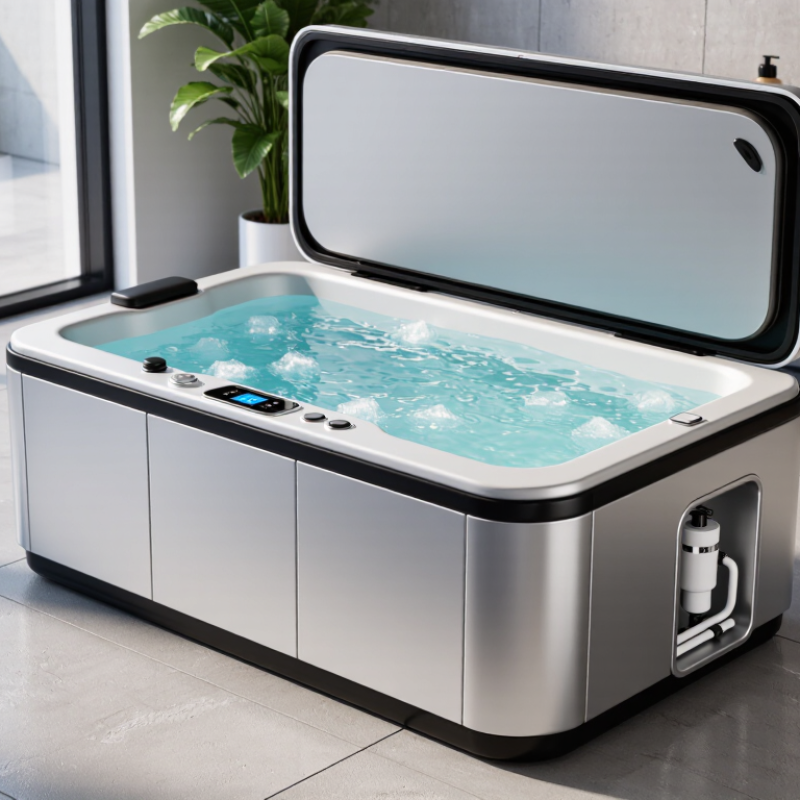
2026 Best Cold Plunge Tub for Global Buyers?

What Is a Cold Plunge Tub and How Does It Work?

A cold plunge tub is a container designed for brief cold-water immersion, usually between 10°C and 15°C. Unlike an ordinary bath, it maintains a controlled temperature through cooling equipment, insulation, filtration, and circulation. Some systems also include a drain, timer, and water-quality monitor.

Cold water rapidly narrows surface blood vessels. The body then increases sympathetic nervous activity, which may raise heart rate, breathing rate, and alertness. After leaving the tub, blood vessels gradually widen as the skin warms. The process feels intense. That is the point, but it is not automatically beneficial.

The Global Wellness Institute valued the global wellness economy at 6.3 trillion dollars in 2023 and projected continued growth through 2028. This expansion has increased interest in home recovery equipment, including cold immersion systems. Research reviews in Sports Medicine report possible benefits for perceived muscle soreness after exercise, although evidence for broader health claims remains limited. The evidence is promising, but not tidy.

For global buyers, temperature accuracy matters more than a dramatic display. A certified electrical system, reliable insulation, accessible drainage, and replaceable filtration reduce practical risks. Cold exposure can sharply stress the cardiovascular system. People with heart conditions, uncontrolled blood pressure, circulation disorders, or pregnancy should seek medical advice first. Never plunge alone. Start warmer and shorter than online challenges suggest; discomfort is feedback, not proof of progress.

Which Cold Plunge Tub Types Suit Different Global Buyers?

Choosing the best cold plunge tub depends on the buyer’s climate, space, budget, and recovery habits. No tub wins everywhere. The Global Wellness Institute’s 2023 Global Wellness Economy Monitor valued the wellness economy at about 5.6 trillion US dollars in 2022, showing strong demand for practical home wellness equipment. Still, demand does not remove technical differences.

Apartment buyers may prefer a compact, insulated tub with a simple drainage system. It needs quiet operation and a small footprint. Buyers in hot climates should consider stronger insulation and a reliable cooling unit. Those in colder regions may use a passive tub, but freezing temperatures can damage pipes and fittings. International buyers must check voltage, plug standards, local service access, and replacement-part availability. Commercial users need durable materials, fast water turnover, and clear cleaning procedures. A 2016 Sports Medicine meta-analysis reported that cold-water immersion may modestly reduce delayed-onset muscle soreness, but results vary. It is not a guaranteed recovery tool.

Tips: Measure the doorway first. Then check the tub’s filled weight, not only its empty size. Ask for tested operating temperatures and electrical safety documentation. I would also avoid choosing by cooling speed alone; lower noise and easier sanitation may matter more after several weeks. One limitation remains: many market claims rely on small studies, so buyers should treat dramatic health promises carefully. Hydration, gradual exposure, and medical advice matter, especially for people with cardiovascular concerns.

What Key Features Define the Best Cold Plunge Tub in 2026?

2026 Best Cold Plunge Tub for Global Buyers?

The best cold plunge tub in 2026 should balance cooling performance, safety, hygiene, and daily comfort. A reliable model needs accurate temperature control, clear readings, and stable insulation. Look for water temperatures between 10°C and 15°C, depending on your experience and health guidance. Rapid cooling is useful, but consistent cooling matters more. A quiet chiller also improves home use, especially in small apartments.

Material quality deserves close attention. Smooth, non-porous surfaces are easier to clean and less likely to hold odors. Effective filtration, simple drainage, and replaceable sanitation parts support better water care. Strong insulation can reduce energy waste in hot or cold climates. Check the tub’s electrical protection, plug compatibility, and local certification requirements before buying. Global shipping is not always simple.

Tips: Measure your available space first. Leave room for entry and maintenance. Confirm the tub’s empty weight, filled weight, and drainage direction. Use a thermometer to verify the display occasionally. Start with brief sessions and avoid extreme temperatures without professional medical advice. Cold exposure is not automatically suitable for everyone.

From practical testing, small details often shape satisfaction. A difficult cover becomes frustrating. A narrow drain slows cleaning. I once underestimated ventilation around a cooling unit, and performance suffered. That mistake still matters. Product claims can sound impressive, but transparent specifications and accessible support are more trustworthy.

2026 Best Cold Plunge Tub for Global Buyers? – Key Features That Define the Best Cold Plunge Tub

Evaluation Dimension Recommended Benchmark for 2026 Buyers Why It Matters What to Check Before Purchase
Target water temperature Adjustable range of approximately 3–15°C (37–59°F) A wider range supports gradual acclimation and different user preferences. Confirm the lowest operating temperature, adjustment increments, and temperature accuracy.
Cooling system Integrated active cooling with a thermostat and continuous water circulation Active cooling provides more consistent temperatures than ice-only tubs. Review cooling capacity, ambient-temperature limits, operating noise, and restart protection.
Insulation Fully insulated walls, lid, plumbing lines, and equipment connections Effective insulation reduces heat gain, energy use, and cooling time. Look for insulated construction rather than an insulated cover alone.
Water filtration Replaceable mechanical filter, circulating pump, and clearly stated filter rating Filtration removes particles and supports cleaner water between changes. Check filter availability, replacement cost, flow rate, and cleaning instructions.
Sanitation options Documented sanitation method, such as compatible chlorine, bromine, ozone, or UV treatment Cold water does not remove the need for regular sanitation and water testing. Verify chemical compatibility, test-kit requirements, and safe maintenance intervals.
User capacity One-person ergonomic interior with enough shoulder and leg clearance A comfortable fit improves safe entry, exit, and consistent use. Compare internal dimensions, maximum water depth, user height limits, and sitting position.
Tub construction UV-resistant, corrosion-resistant, waterproof materials with reinforced seams or molded walls Outdoor exposure, temperature changes, and water weight place stress on the structure. Check material specifications, seam quality, drain design, and maximum filled weight.
Electrical compatibility Voltage and plug configuration matched to the destination country, with suitable ground-fault protection Electrical standards differ by market, and wet environments require additional protection. Confirm voltage, frequency, plug type, IP rating, local certification, and installation requirements.
Power efficiency Published energy data or rated power information for the complete cooling system Electricity costs vary significantly between countries and climates. Ask for operating consumption, standby consumption, and performance at the intended ambient temperature.
Noise level Published sound level measured in dB(A), preferably at a stated distance Noise affects suitability for bedrooms, apartments, offices, and shared spaces. Check whether the measurement includes the compressor, pump, and fan operating together.
Installation requirements Level, load-bearing surface; nearby drainage; adequate ventilation; weather-protected equipment A filled tub is very heavy and cooling equipment needs airflow to operate correctly. Calculate filled weight, measure access routes, and confirm indoor or outdoor placement rules.
Drainage and maintenance Low-position drain, accessible filter housing, removable cover, and simple cleaning access Straightforward maintenance improves hygiene and reduces long-term ownership effort. Check drain-hose compatibility, cleaning steps, water-change guidance, and spare-part availability.
Safety design Non-slip entry surface, stable construction, insulated cover, rounded edges, and visible temperature display Cold-water immersion can cause an involuntary gasp and rapid cardiovascular stress. Use gradual exposure, avoid using the tub alone, and seek medical advice when health conditions are present.
Weather resistance Clearly stated operating and storage conditions for the target climate High heat, freezing conditions, humidity, salt air, and direct sunlight affect performance and durability. Confirm temperature limits, cover UV resistance, freeze protection, and drainage during winter storage.
Global service support Written warranty, regional service process, replacement parts, and multilingual documentation International buyers need practical support after delivery, not only an initial product warranty. Review warranty exclusions, shipping terms, customs responsibilities, response times, and local repair options.

Buyer note: Specifications and electrical requirements vary by configuration and country. Always verify the latest technical sheet, local electrical regulations, installation instructions, and safe-use guidance before purchase.

How to Compare Safety, Maintenance, Energy Use, and Total Cost?

2026 Best Cold Plunge Tub for Global Buyers?

Comparing a cold plunge requires more than checking the lowest water temperature. Safety should come first. The CDC’s Model Aquatic Health Code, 2023 edition, stresses continuous water-quality control in shared aquatic settings. Private users still need filtration, disinfection, and regular testing. Water below 15°C can feel harsh within seconds. People with heart or circulation conditions should seek medical advice before exposure. A sturdy step, insulated cover, emergency shutoff, and clear electrical protection matter more than decorative features.

Maintenance changes the real purchase price. Ask how often filters need replacement and whether parts are available in your country. Examine drain access, cleaning time, noise, and winter protection. Energy use also deserves measurement, not guesswork. The U.S. Department of Energy reports that water heating represents about 18% of household energy use, but plunge cooling varies with insulation, ambient temperature, and use frequency. Measure watt-hours with a plug-in meter for seven days. Small gaps can become expensive.

Tips: Calculate total cost over three years. Include purchase, delivery, taxes, electricity, filters, water treatment, repairs, and disposal. Compare the tub’s standby energy in a warm room and a cold garage. I would question unclear energy claims. Independent testing is better. Choose local voltage compatibility, service access, and written safety instructions. A cheaper tub may demand more cleaning, more electricity, and more patience.

2026 Best Cold Plunge Tub for Global Buyers

Comparison scores use a 0–100 buyer index, where a higher score is better. Safety considers electrical protection, insulation, access control, and structural stability. Maintenance and energy scores favor lower cleaning, water-treatment, filter, and electricity requirements. The total-cost score reflects typical five-year ownership expenses, including purchase, electricity, routine maintenance, and replacement allowance. Actual results vary with climate, water temperature, usage frequency, insulation, and local electricity prices.

How to Choose and Use a Cold Plunge Tub Responsibly?

2026 Best Cold Plunge Tub for Global Buyers?

Choosing a cold plunge tub should begin with safety, not the lowest temperature. Look for stable steps, a non-slip floor, clear temperature controls, reliable drainage, and a secure insulated cover. Buyers should also check voltage compatibility, electrical certification, and sanitation requirements in their country. The Royal National Lifeboat Institution warns that water below 15°C can seriously affect breathing and movement. That makes cold exposure a real physical stress, not a casual shower upgrade.

Start smaller. New users may consider 10–15°C for 30–60 seconds, under supervision. Never hold your breath, submerge your head, or use a tub after drinking alcohol. Leave immediately if you feel chest pain, severe shivering, dizziness, confusion, or unusual numbness. People with heart conditions, uncontrolled blood pressure, circulation problems, or pregnancy should seek qualified medical advice before using one. Never use it alone.

Evidence is more modest than online claims suggest. A Cochrane review found that cold-water immersion may reduce post-exercise soreness, but it analyzed only 17 small trials involving 366 participants. The evidence quality was limited. That matters. A cold plunge is not a guaranteed recovery tool, and colder is not automatically better. The perfect temperature does not exist. A timer, nearby towel, warm clothing, and gradual rewarming are practical safeguards. My view is cautious: consistency and honest self-monitoring matter more than enduring an extreme session.